

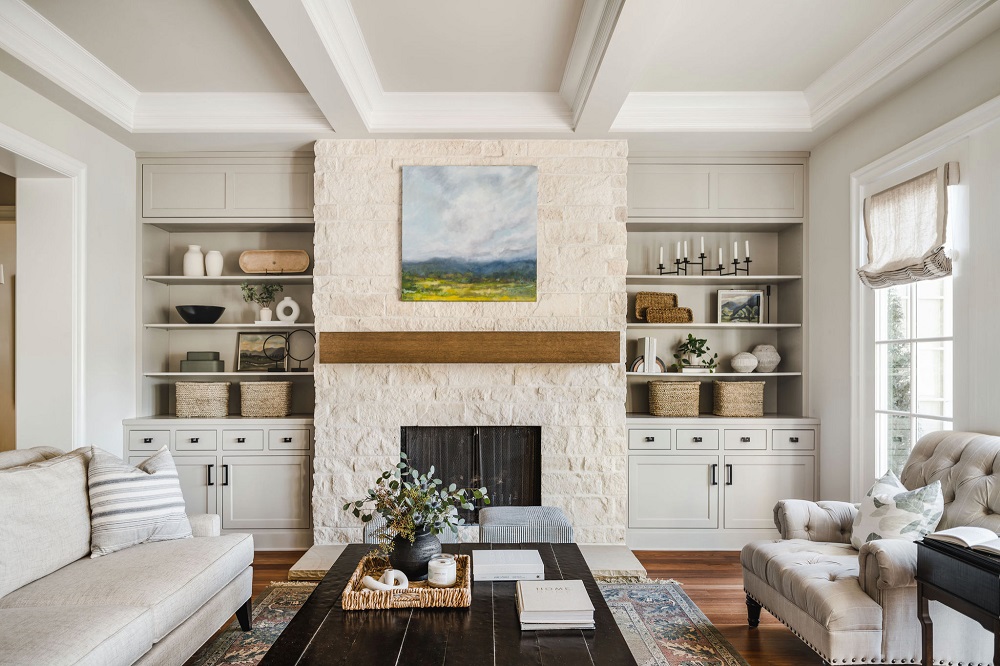
There is a palpable difference between a house that simply looks impressive and a home that feels genuinely inviting. Most people have stepped into a showroom interior where everything is perfectly staged, yet the atmosphere feels sterile, fragile, and emotionally cold. You hesitate to sit on the furniture, worry about leaving a glass on a table, and find yourself looking for an exit rather than sinking into the space.
A truly welcoming home operates on a completely different frequency. It puts people at ease the second they cross the threshold. Creating that atmosphere is not an accident of architecture, nor does it require a sprawling footprint or an unlimited interior design budget. It comes down to understanding human scale, sensory comfort, intuitive movement, and the subtle interplay of light, material, and memory.
The Power of an Intuitive Entryway
The entry sets the tone for everything that follows. It serves as the physical transition from the fast, demanding outside world into a private sanctuary. When an entryway is cluttered, dark, or cramped, that sense of tension spreads directly into the rest of the living space.
An inviting foyer does not need to be cavernous, but it must be functional and clear:
-
Clear Sightlines: When guests walk through the front door, their eyes should naturally land on an attractive, grounded focal point, such as a piece of art, a warm wooden credenza, or a view toward natural sunlight.
-
Effortless Drop Zones: Provide a clear, immediate place for coats, bags, umbrellas, and shoes. If people have to wonder where to set down their personal belongings, they immediately feel like an intrusion rather than a welcome guest.
-
Warm Transitional Illumination: A soft accent lamp on a console table or a low-wattage pendant creates a gentle visual arrival, avoiding the harsh glare of stark overhead lights.
When an entryway functions smoothly, entering the home feels like a long, deep exhale.
The Architecture of Lighting: Ditching the Overhead Glare
Nothing ruins the warmth of an interior faster than reliance on a single, blazing central ceiling fixture. Known commonly in design circles as the dreaded big light, harsh downlighting casts sharp shadows across human faces, flattens natural textures, and signals to the brain that it is time for clinical work rather than relaxation.
Creating an inviting ambiance requires a thoughtful layering of illumination across three distinct tiers.
Ambient Lighting
Ambient light provides the foundational glow of a room. Rather than relying on bare recessed ceiling fixtures, diffuse this layer using woven linen lampshades, frosted glass globes, or indirect cove lighting that bounces soft luminescence off the ceiling plane.
Task Lighting
Task lighting delivers focused illumination where practical tasks occur. Think of a brass reading lamp beside a comfortable armchair, under-cabinet LED strips illuminating kitchen butcher blocks, or an adjustable desk fixture. Task lighting should be directional and warm, typically falling between 2700K and 3000K on the Kelvin temperature scale.
Accent and Mood Lighting
This is the secret ingredient that makes a home feel magical at dusk. Place small corded lamps on bookshelves, position uplights behind large potted fiddle-leaf figs to cast soft leafy shadows on bare walls, or light beeswax candles on dining tables. By creating small pools of light throughout a room, you encourage the human eye to wander gently across the room rather than taking in a blinding wash of brightness.
Spatial Flow and Conversational Furniture Arrangement
The layout of a living space directly dictates how people interact within it. A room where all furniture is pushed against the perimeter walls feels like a public waiting room, discouraging natural conversation and creating awkward dead zones in the center of the floor.
Arranging furniture for warmth and comfort follows practical spatial rules:
-
Floating Seating Clusters: Pull sofas and lounge chairs away from walls to form intimate conversation groupings. The distance between facing seats should sit comfortably between six and eight feet, allowing people to converse easily without raising their voices.
-
The Rule of Reachable Surfaces: Every single seat in a living area must have an adjacent side table or coffee table within easy arm reach. If a guest has to bend down to the floor or walk across the room to set down a cup of tea, the layout is incomplete.
-
Generous Walkways: Ensure primary walkways maintain thirty to thirty-six inches of unobstructed clearance. Navigating a living room should feel effortless, never requiring a sideways shuffle around sharp furniture corners.
Anchoring these groupings with an appropriately sized area rug is essential. A rug that is too small makes a room look disjointed and cheap. Aim for a rug large enough that at least the front legs of all primary seating pieces sit securely on the textile.
Tactile Layering: Engaging the Sense of Touch
Visual beauty catches the eye, but tactile rich materials capture the heart. A home filled entirely with flat drywall, polished chrome, and slick leather can feel cold and acoustic, echoing every footstep and conversation.
Introducing warmth requires an intentional layering of varied textural weights:
-
Natural Woods: Unlacquered oak, rich walnut, and reclaimed pine bring grounding, organic history into living spaces. The subtle imperfections of wood grain give the eye a resting place.
-
Textured Textiles: Pair smooth linen drapery with chunky bouclé pillows, heavyweight wool throws, and nubby jute or flat-weave rugs. This dynamic mix of rough and smooth materials gives a room depth and physical comfort.
-
Earthen Elements: Incorporate hand-thrown stoneware ceramics, honed limestone coasters, unlacquered brass hardware that patinas with use, and matte terracotta planters.
Layering different materials also dampens room acoustics. Soft furnishings, thick curtains, and floor coverings absorb harsh sound reflections, creating a quiet, cozy atmosphere where voices sound warm and clear.
The Living Elements: Plants and Natural Ephemera
Humans possess an innate, biological desire to connect with the natural world, a concept known as biophilia. Homes that completely lack living, organic matter often feel stagnant, detached from the seasons outside the window.
You do not need an indoor jungle to reap these benefits. Thoughtful, understated touches of nature bring immediate vitality into interior rooms:
-
Architectural Houseplants: A single mature plant with an expressive silhouette, such as an olive tree in a bright corner, a monster deliciosa, or a delicate cast-iron plant, anchors an interior better than a dozen tiny succulents cluttering a windowsill.
-
Foraged Botanicals: Skip expensive, stiff florist arrangements in favor of simple, seasonal branches clipped from the backyard. Tall, leafy oak branches in summer, bare berry-laden twigs in late autumn, or budding fruit branches in early spring bring an organic, effortless beauty into a room.
-
Organic Produce on Display: A wide wooden bowl overflowing with ripe lemons, green pears, or rustic heirloom squashes serves as living, functional sculpture on a kitchen island or dining table.
The Soul of the Home: Avoiding the Catalog Look
The most significant mistake in modern interior decoration is buying an entire room set directly from a single catalog or furniture showroom. While matching sets appear cohesive in a photograph, they lack soul, personality, and human texture. They tell the story of a corporation rather than the individuals who reside between the walls.
An inviting home should read like a personal autobiography. It is a slow, patient collection of items gathered over time:
-
Vintage and Antiques: Mixing vintage dressers, mid-century lounge chairs, or weathered farm tables into a modern room adds instant history, gravitas, and character that mass-produced particle board cannot replicate.
-
Meaningful Art: Hang art that genuinely moves you, whether it is an original oil painting bought at an outdoor flea market, an architectural print found while traveling, or framed sketches made by your children. Steer clear of generic, mass-market canvas prints found in big-box department stores.
-
Curated Open Bookshelves: Avoid arranging books backward with the pages facing out solely for color uniformity. Fill shelves with books you have actually read, meaningful travel keepsakes, framed personal photographs, and found natural objects.
When your personal story is woven throughout the decor, visitors do not just see a beautifully designed interior. They feel welcome, grounded, and genuinely at home.
Frequently Asked Questions
How can I make a home with tall ceilings and open floor plans feel cozy instead of cavernous?
To make expansive open-concept layouts feel intimate, use large area rugs to establish distinct zones for lounging, dining, and working. Lower your visual horizon by hanging pendant fixtures lower over tables, incorporating floor-to-ceiling drapery panels made from heavy textured fabrics like velvet or linen, and using tall floor lamps, oversized artwork, and mature trees to fill vertical dead space.
What is the best way to introduce an inviting scent to a home without triggering chemical sensitivities?
Avoid synthetic aerosol room sprays, plug-in chemical air fresheners, and heavily perfumed paraffin candles, which often cause headaches and respiratory irritation. Instead, simmer a small pot of water on the stove filled with sliced citrus wheels, cinnamon sticks, fresh rosemary sprigs, and whole cloves. You can also burn pure beeswax candles, which emit a subtle, natural honey aroma while helping neutralize airborne dust.
How do I choose the correct light bulb color temperature for living spaces?
For residential living spaces like bedrooms, living rooms, and dens, select light bulbs rated between 2700K and 3000K, which emit a warm, soft white glow reminiscent of late-afternoon sunlight or incandescent filament bulbs. Reserve cooler bulbs between 3500K and 4000K for utility spaces such as laundry rooms, garages, and focused bathroom vanity installations where task precision matters.
How can I decorate on a tight budget without the space looking cheap or unfinished?
Focus on thrifting solid wood furniture pieces from estate sales, secondhand stores, and online marketplaces, as older furniture is often built with superior joinery compared to modern flat-pack alternatives. Pair these timeless finds with a fresh coat of warm off-white wall paint, upgrade basic builder-grade cabinet pulls with solid unlacquered brass hardware, and use natural branches clipped from outdoors for free floral styling.
How do I keep a welcoming home looking tidy without obsessively cleaning all day?
Establish intuitive storage solutions at the exact locations where clutter naturally accumulates. Place wide woven baskets in the living room for quick storage of loose blankets and magazines, install a drop tray on the entry table for keys and mail, and use decorative ceramic bowls on coffee tables to hold remote controls. When everything has an obvious, accessible home, tidying a room takes five minutes rather than an entire afternoon.
What paint finishes work best for creating warm, inviting interior walls?
Avoid high-gloss or semi-gloss paints on primary living room and bedroom walls, as shiny sheens reflect light unevenly and highlight every drywall imperfection. Instead, opt for a matte, flat, or eggshell finish. These soft sheens absorb and gently diffuse natural and artificial light across the room, producing a velvety, muted backdrop that makes wall colors feel richer and warmer.
How can I balance kid-friendly or pet-friendly durability with elegant design?
Choose performance fabrics like crypton, solution-dyed acrylics, or tightly woven flat-weave velvets for primary seating pieces, as these textiles resist stains, spills, and claws while remaining soft to the touch. Opt for solid wood tables with natural distressing and matte wax finishes rather than polished glass or high-lacquer surfaces, allowing minor scuffs and dings to blend in naturally as charming character over time.