

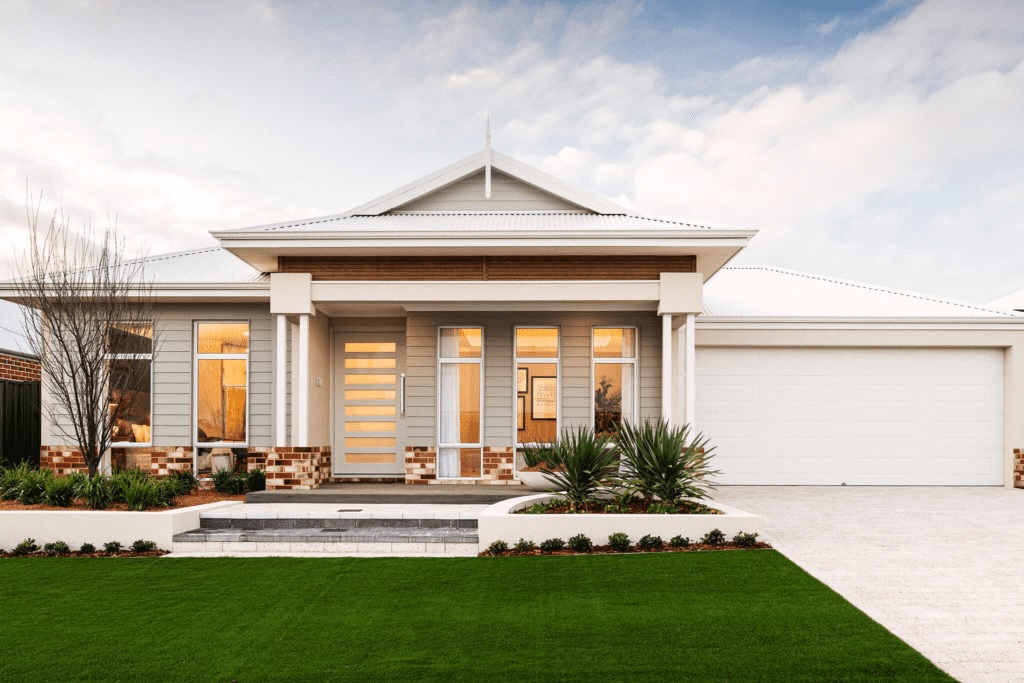
Home is far more than a physical space. It is a reflection of identity, safety, and emotional well-being. It represents where life unfolds, where memories form, and where individuals retreat for peace and renewal. The concept of home extends beyond four walls and a roof—it embodies comfort, relationships, stability, and personal meaning. In a constantly changing world, understanding what makes a home truly significant allows us to build environments that nurture both body and soul.
The True Definition of Home
A home is both a physical and emotional foundation. While architecture and design provide structure, the emotional layer gives it depth. A house becomes a home when it provides warmth, belonging, and a sense of permanence. It is a place where personal values are reflected in design, where daily routines find rhythm, and where love and connection are experienced most deeply.
Emotional Anchoring and Sense of Belonging
Humans have an innate need for belonging. Home satisfies this need by creating a private sanctuary where individuals can be their authentic selves. This emotional anchoring brings stability, especially in uncertain times. Even when people move frequently, they often carry pieces of their previous homes with them through photographs, habits, or cherished possessions.
Home as a Reflection of Identity
The design, layout, and decoration of a home mirror personal identity. Everything—from colors to furniture choices—reflects who the inhabitant is. A minimalist home may suggest a focus on simplicity and clarity, while a cozy, eclectic home reveals warmth and creativity. Home design becomes a form of self-expression that evolves as people grow and their priorities shift.
The Psychological Importance of Home
The psychological effects of home influence mental health, emotional balance, and productivity. Research consistently shows that well-designed and emotionally secure home environments enhance happiness and reduce stress.
Stability and Security
Home serves as a psychological anchor, offering consistency in an unpredictable world. For children, a stable home environment fosters confidence and academic success. For adults, it supports emotional resilience and a sense of control. The familiarity of home rituals—morning coffee, evening meals, family gatherings—creates comfort and predictability.
The Role of Personal Space
Every individual needs personal space within a home. Personal spaces such as bedrooms, reading corners, or gardens provide solitude and reflection. These spaces are vital for restoring energy and managing emotions. The balance between shared and private areas helps families maintain harmony and respect for individual boundaries.
Environmental Psychology and Home Design
The physical setup of a home influences mental states. Light, color, texture, and layout impact mood and behavior. For instance:
- Natural light improves mood and reduces anxiety.
- Warm colors create a sense of comfort, while cool tones enhance calmness.
- Open layouts encourage communication and flow, while quiet corners promote focus.
The best homes combine both social and restorative elements, offering spaces for connection as well as retreat.
The Role of Family in Making a Home
Family transforms a structure into a living, breathing space. Relationships within the home shape its emotional atmosphere. Shared experiences like cooking, celebrating, or even resolving conflicts contribute to a sense of unity.
Creating Shared Traditions
Traditions are the heartbeat of a home. Whether it’s a weekly family dinner or annual celebrations, these rituals strengthen emotional bonds. Shared experiences help each member feel connected to the household’s identity.
Communication and Harmony
Open communication nurtures harmony within the home. Families that actively listen, share responsibilities, and respect opinions create a supportive environment. A home’s emotional climate can affect everything from sleep quality to academic performance in children.
The Impact of Love and Support
Love is the invisible architecture of every home. Acts of kindness, understanding, and encouragement make even the simplest house feel like a haven. Emotional warmth protects family members from external stress and strengthens resilience during hardship.
Home as a Sanctuary in Modern Life
In today’s fast-paced and digitally driven society, home has become the ultimate sanctuary. It provides a refuge from external chaos and constant connectivity. As work and personal life increasingly overlap, homes have evolved into multifunctional spaces.
The Rise of Home Workspaces
Remote work has transformed the way people interact with their homes. Dedicated workspaces enhance productivity while maintaining separation between personal and professional life. Proper lighting, ergonomic furniture, and organized surroundings are key to creating a functional home office.
Mindful Living and Minimalism
Modern homeowners are embracing mindful living—choosing simplicity, sustainability, and authenticity. Minimalist design, which focuses on decluttering and intentional choices, helps reduce stress and promotes peace of mind. The philosophy of “less is more” encourages focus on what truly matters.
Technology and Smart Homes
Technology now plays a significant role in improving comfort and safety. Smart homes feature automated systems for lighting, security, temperature, and entertainment, increasing convenience and energy efficiency. However, balance is essential to prevent over-reliance on digital devices that may erode the sense of presence and connection within the household.
The Economic and Social Impact of Home Ownership
Home ownership represents both financial stability and social status. For many, owning a home symbolizes independence, achievement, and permanence. Yet the meaning of home ownership goes beyond economics—it influences community engagement and generational wealth.
Financial Security
Owning property provides a long-term investment that can appreciate over time. It offers stability against rental fluctuations and serves as an asset for future generations. A well-maintained home is a foundation for both financial and emotional security.
Community and Social Connection
Homeowners often develop stronger community ties. Neighbors collaborate, support one another, and share in local activities. This sense of belonging enhances neighborhood safety and overall satisfaction.
The Changing Face of Home Ownership
Younger generations view home ownership differently. Many prioritize flexibility, sustainability, and location over traditional ownership. With the rise of remote work, people are moving away from urban centers to find affordable housing and a higher quality of life.
The Environmental Dimension of Home
Homes are not isolated from the environment—they are part of it. Sustainable living practices have become essential to protect natural resources and ensure healthier living conditions.
Green Building Practices
Modern construction emphasizes energy efficiency and sustainable materials. Solar panels, insulated walls, and water-saving systems reduce environmental impact and lower utility costs.
Indoor Air Quality and Health
Poor indoor air quality can lead to respiratory problems, fatigue, and allergies. Natural ventilation, non-toxic paints, and indoor plants improve air purity and contribute to well-being.
Eco-Conscious Living
Simple habits—like reducing plastic waste, composting, and using energy-efficient appliances—make homes more eco-friendly. Sustainable homes not only support the environment but also promote healthier lifestyles.
Cultural Interpretations of Home
The idea of home differs across cultures but always holds emotional and social significance.
Western Perspective
In Western societies, home often represents individuality and independence. It is a space where personal achievements and aesthetics are expressed. Privacy and comfort are highly valued.
Eastern Perspective
In many Eastern cultures, home emphasizes community and intergenerational living. Families often live together, sharing responsibilities and traditions. The home becomes a center of respect, hospitality, and collective identity.
Migration and the Global Sense of Home
For migrants, home becomes a blend of old and new cultures. They carry traditions from their homeland while adapting to new environments. This dual sense of home creates resilience and cultural richness.
The Future of Home Living
The future of home design and living focuses on adaptability, sustainability, and emotional wellness.
Smart, Flexible Spaces
Homes of the future will integrate adaptive designs that adjust to changing lifestyles. Rooms will serve multiple functions, allowing for easy transitions between work, leisure, and family life.
Health-Oriented Architecture
Designers are increasingly focusing on wellness-based architecture, incorporating features that promote natural light, movement, and mental tranquility. The layout of homes will prioritize health as much as aesthetics.
Virtual and Connected Living
Technology will continue to enhance how people experience their homes, with integrated AI systems managing lighting, security, and even emotional ambiance. However, the challenge will be to maintain genuine human connection in a digital environment.
FAQs
What makes a house feel like a home?
A house becomes a home when it offers emotional warmth, safety, and personal meaning. The presence of loved ones, memories, and familiar routines transforms physical space into a place of belonging.
How does home design impact mental health?
Design elements such as lighting, color, and space layout directly influence mood. Natural light, organized spaces, and calming tones enhance emotional balance and reduce stress.
Why is home ownership important?
Home ownership offers financial stability, emotional security, and a sense of accomplishment. It allows individuals to personalize their living environment and build generational wealth.
What role does technology play in modern homes?
Technology increases comfort and efficiency through automation, security systems, and smart devices. However, mindful use is essential to preserve authentic connection and relaxation at home.
How can I make my home more sustainable?
Choose energy-efficient appliances, use sustainable materials, install solar panels, and reduce waste through recycling and composting. Sustainable choices benefit both your health and the environment.
Home remains one of humanity’s most enduring concepts—a place that anchors us, reflects our essence, and nurtures our growth. Whether it is a small apartment or a sprawling estate, the true value of home lies in the comfort, love, and meaning it holds.