

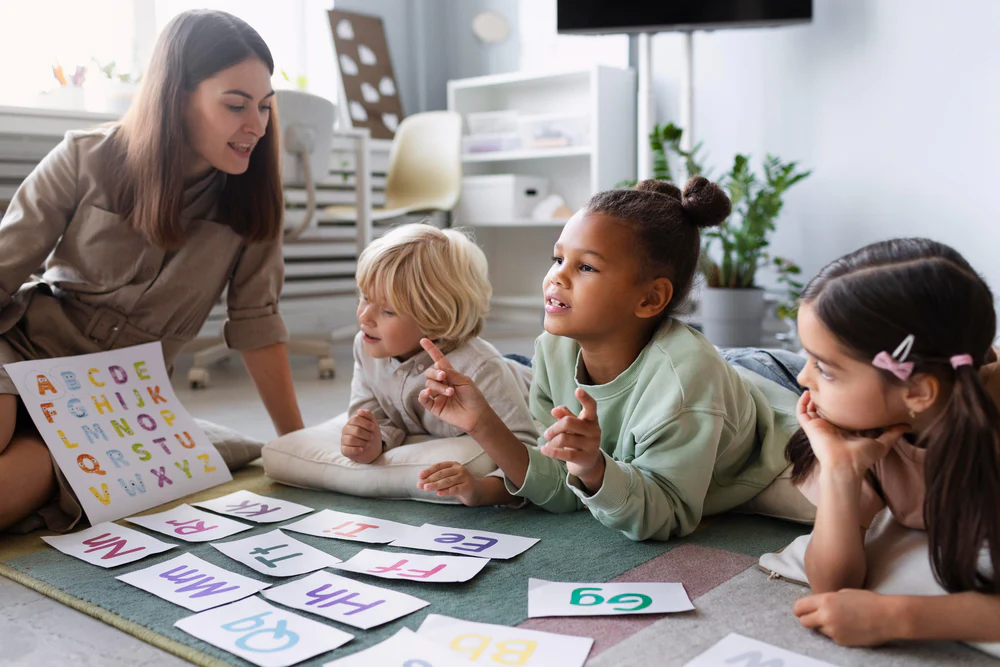
Kids are the heartbeat of every family and society. Their growth, curiosity, and energy shape the future in profound ways. Understanding kids goes beyond simply raising them; it means recognizing their emotional, intellectual, and social needs and nurturing them with intention and care. Children experience the world through exploration and imitation, forming habits and values that stay with them for life. The journey of childhood is not just about growing up—it’s about building the foundation for a stable, confident, and capable adult.
The Early Years: The Blueprint for Lifelong Development
Childhood development begins long before formal education. From birth to around age five, kids experience rapid brain growth, absorbing information from their environment at an astonishing rate. These years define cognitive ability, emotional regulation, and even moral understanding.
Cognitive Growth and Learning Patterns
A child’s brain forms millions of neural connections each second in early life. These connections influence how they process language, solve problems, and interact socially. Parents and caregivers can support this growth by engaging in reading, play, and conversation daily. Exposure to music, art, and nature also strengthens creativity and curiosity.
Emotional Awareness and Security
Emotional security during early childhood is essential. Kids who feel safe and loved develop higher self-esteem and empathy. They learn to trust their caregivers, which later influences their ability to form healthy relationships. Positive reinforcement, gentle discipline, and consistent affection are powerful tools in shaping emotionally balanced children.
The Role of Play in Learning
Play is not just fun—it’s an essential learning method. Through play, children experiment, take risks, and practice problem-solving. Activities like building blocks, storytelling, and outdoor adventures help improve motor skills, teamwork, and imagination. Structured play teaches discipline and goal setting, while free play fosters independence.
Education: Nurturing Curiosity and Critical Thinking
Education during childhood should not only focus on academic performance but also on emotional intelligence and creativity. Effective education respects individuality and adapts to different learning styles.
Encouraging a Love of Learning
Children are naturally curious. When learning feels exciting and rewarding, kids retain knowledge longer and develop an intrinsic motivation to explore. Educators and parents can achieve this by connecting lessons to real-life experiences, encouraging questions, and rewarding effort rather than perfection.
The Importance of Early Literacy
Reading from an early age stimulates language development and cognitive flexibility. Storytelling enhances imagination, empathy, and comprehension skills. Introducing books early helps kids associate reading with comfort and joy rather than obligation.
Social Learning and Peer Interaction
Children learn as much from peers as from teachers or parents. Group activities promote cooperation, patience, and conflict resolution. Learning to share, communicate, and collaborate teaches them valuable life skills beyond academic achievement.
Emotional Development: Building Resilience and Empathy
Emotionally intelligent children are better equipped to handle life’s challenges. Emotional development involves understanding feelings, managing impulses, and relating to others.
Teaching Self-Awareness
Helping kids identify and name their emotions allows them to process experiences healthily. For example, a child who can say “I’m frustrated” instead of acting out is learning self-regulation. Encouraging children to talk openly about their feelings fosters confidence and empathy.
Building Resilience
Resilience is the ability to recover from setbacks. Children develop this trait when they face age-appropriate challenges and learn from mistakes. Supportive adults play a crucial role by guiding them without rescuing them from every failure. Resilient kids grow into adaptable, problem-solving adults.
The Role of Emotional Support
Every child needs consistent emotional support. When parents listen without judgment and validate feelings, kids learn that their emotions matter. This connection strengthens trust and reduces anxiety.
Health and Physical Well-Being
Healthy kids are better learners and more emotionally stable. Physical health encompasses nutrition, exercise, sleep, and regular medical care.
Nutrition and Growth
Balanced nutrition provides the foundation for both physical and mental growth. Diets rich in fruits, vegetables, whole grains, and lean proteins promote strong bones and cognitive development. Limiting processed foods and sugar helps maintain focus and energy.
The Value of Physical Activity
Physical play supports muscle development, coordination, and mental clarity. Activities such as running, biking, or team sports teach discipline and teamwork. Exercise also releases endorphins, which improve mood and reduce stress.
Sleep and Routine
Adequate sleep is critical for memory consolidation and mood regulation. Establishing bedtime routines helps kids fall asleep easily and wake up refreshed. A consistent daily structure creates a sense of security and balance.
The Influence of Family and Environment
A child’s environment shapes their worldview. The home, community, and cultural influences surrounding kids determine how they think, behave, and relate to others.
Family as the First Learning Space
Family is the first classroom where kids learn values, behavior, and communication. Parents model how to express love, solve problems, and manage stress. Consistent routines and shared family activities create a nurturing environment that builds emotional intelligence.
The Impact of Parenting Styles
Different parenting styles yield different developmental outcomes.
- Authoritative parenting combines warmth with boundaries, encouraging independence and responsibility.
- Authoritarian parenting relies on strict rules without emotional warmth, which can create fear or resentment.
- Permissive parenting is affectionate but lacks structure, often leading to poor self-discipline.
Balanced parenting blends love with clear expectations, providing both freedom and accountability.
The Role of Community and Culture
Children thrive when they feel connected to their communities. Cultural traditions, local activities, and social groups give kids a sense of identity. Exposure to diverse perspectives builds empathy and global awareness.
Technology and Modern Childhood
Technology influences nearly every aspect of modern childhood. While digital tools can aid learning, excessive use poses risks to attention, sleep, and emotional health.
The Benefits of Digital Learning
Interactive learning platforms and educational apps can enhance comprehension, creativity, and critical thinking. When used appropriately, technology prepares kids for a digital future and strengthens research and problem-solving skills.
The Challenge of Screen Time
Uncontrolled screen exposure can lead to behavioral issues, reduced focus, and social withdrawal. The American Academy of Pediatrics recommends screen limits based on age, emphasizing face-to-face interaction and outdoor play as priorities.
Guiding Healthy Digital Habits
Parents can encourage balance by setting screen-free times, especially during meals and before bed. Teaching kids about online safety, privacy, and kindness ensures responsible use of technology.
Social Development: Understanding Relationships and Society
Children’s social growth defines how they interact with others throughout life. Developing empathy, respect, and cooperation begins early and shapes their moral compass.
Teaching Empathy and Respect
Empathy grows when kids understand others’ emotions. Encouraging them to consider how their actions affect others builds compassion. Acts like sharing, helping, or apologizing reinforce moral growth.
Role of Friendships
Friendships teach loyalty, communication, and conflict resolution. Healthy friendships offer emotional support and contribute to positive self-esteem. Parents should encourage inclusive play and model respectful social behavior.
Managing Peer Pressure
As kids grow, they encounter peer pressure that influences behavior and decision-making. Teaching self-confidence and moral reasoning helps them stand by their values without fear of rejection.
Encouraging Creativity and Imagination
Creativity fuels innovation and emotional growth. When children are allowed to imagine freely, they develop problem-solving skills and confidence in self-expression.
The Power of Creative Play
Activities like drawing, dancing, music, or storytelling foster independent thought and emotional release. Creative play enhances brain function and reduces stress.
Supporting Curiosity
Curiosity drives learning. Parents and educators should encourage exploration and experimentation without fear of failure. Open-ended questions and hands-on activities nurture creative confidence.
FAQs
How can parents help kids build confidence?
Parents can build confidence by celebrating effort rather than perfection. Giving kids responsibilities, listening to their opinions, and allowing them to make small decisions fosters independence and self-esteem.
What is the best way to discipline children?
Effective discipline focuses on teaching, not punishment. Setting clear boundaries, explaining consequences, and using positive reinforcement help kids understand the reasons behind rules.
How much screen time is healthy for kids?
For children aged 6 and older, screen use should not exceed two hours per day of recreational time. Younger kids should prioritize physical play and social interaction over screens.
Why is play important for child development?
Play enhances creativity, problem-solving, and emotional intelligence. It teaches teamwork, builds physical coordination, and helps kids express themselves freely.
How can schools and parents work together for a child’s growth?
Strong communication between parents and teachers ensures consistent expectations and support. Collaboration helps address learning challenges early and nurtures the child’s strengths.
Kids embody possibility and potential. Understanding their needs, guiding their emotions, and inspiring their curiosity are not just parental duties—they are investments in the future of humanity. Every moment spent nurturing a child’s growth contributes to shaping a compassionate, intelligent, and resilient generation.